


 中文
中文


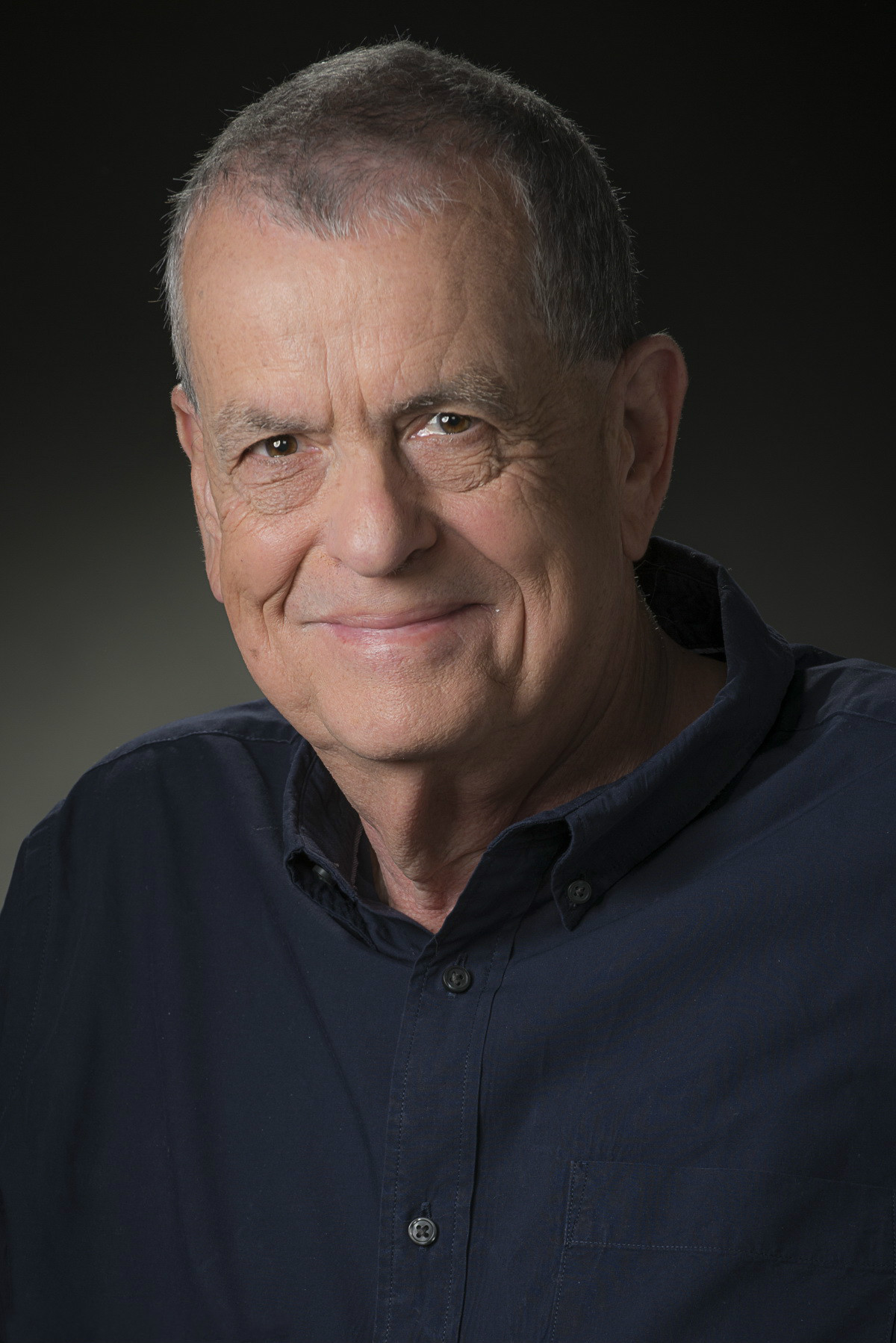
Aaron J. Ciechanover
The Technion – Israel Institute of Technology
Aaron J. Ciechanover (born October 1, 1947, Haifa, British Protectorate of Palestine [now Haifa, Israel]) is an Israeli biochemist who shared the 2004 Nobel Prize for Chemistry with Avram Hershko and Irwin Rose for their joint discovery of the mechanism by which the cells of most living organisms cull unwanted proteins. Ciechanover received an M.D. (1974) from Hebrew University–Hadassah Medical School in Jerusalem and a D.Sc. (1981) from the Technion–Israel Institute of Technology in Haifa, where he was taught by Hershko. In 1977 Ciechanover joined the faculty at the Technion, where he held a variety of academic positions. In the late 1970s and early '80s, Ciechanover, Hershko, and Rose worked together at the Fox Chase Cancer Center in Philadelphia, where much of their prizewinning research was done. The process that they discovered involves a series of carefully orchestrated steps by which cells degrade, or destroy, the proteins that no longer serve any useful purpose. In the first step a molecule called ubiquitin (from the Latin ubique, meaning “everywhere,” because it occurs in so many different cells and organisms) attaches to a protein targeted for destruction and accompanies it to a proteasome—essentially a sac of powerful enzymes that break the protein into its component amino acids. The outer membrane of the proteasome admits only proteins carrying a ubiquitin molecule, which detaches before entering the proteasome and is reused. Ciechanover, Hershko, and Rose also demonstrated that ubiquitin-mediated protein degradation helps control a number of other critical biochemical processes, including cell division, the repair of defects in DNA, and gene transcription, the process in which genes use their coded instructions to manufacture a protein. Diseases such as cystic fibrosis result when the protein-degradation system does not work normally, and researchers hoped to use the findings to develop drugs against such illnesses. Homepage: https://www.britannica.com/biography/Aaron-Ciechanover
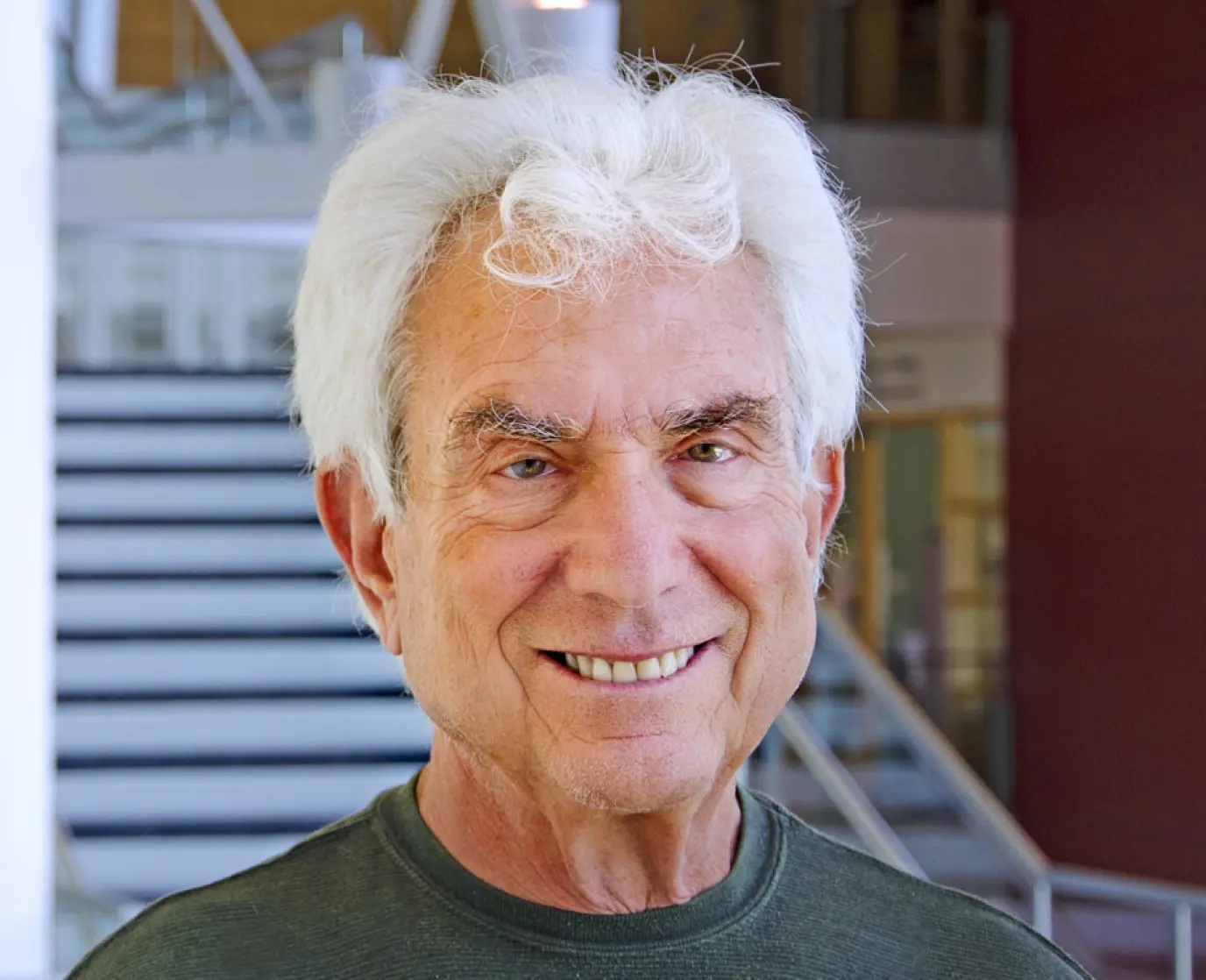
Michael Karin
University of California, San Diego, USA
Dr. Karin received his BSc in Biology from Tel Aviv University in 1975 and his Ph.D. in Molecular Biology from the University of California Los Angeles in 1979. He is currently a Distinguished Professor of Pharmacology and Pathology at the University of California San Diego School of Medicine, where he has been on the faculty since 1986. Dr. Karin has received numerous awards, including the Endocrine Society Oppenheimer Award for Excellence in 1990, American Cancer Society Research Professorship in 1999, C.E.R.I.E.S. Research Award for Physiology or Biology of the Skin in 2000, Harvey Prize in Human Health in 2011, Brupbacher Prize in Cancer Research in 2013, William B. Coley Award for Distinguished Research in Basic and Tumor Immunology in 2013, and an honorary Doctor of Medicine from the Technical University of Munich. He was a cofounder of Signal Pharmaceutical, which has become a part of Celgene, Inc. Dr. Karin had also served as a member of the National Advisory Council for Environmental Health Sciences. Dr. Karin was elected as a member of the US National Academy of Sciences in 2005, the National Academy of Medicine in 2011 and as an associate member of the European Molecular Biology Association in 2007. He became a fellow of the American Association for Cancer Research Academy in 2017. Dr. Karin’s current activity primarily focuses on understanding the relationship between inflammation, cancer, and metabolic disease as well as the signaling mechanisms used by receptors involved in inflammation and innate immunity. In addition to discovering some of the most important stress- and inflammation-responsive signal transduction pathways and establishing molecular links between obesity, inflammation and cancer, Dr. Karin’s work has revealed new targets for cancer prevention and therapy as well as for the treatment of non-alcoholic steatohepatitis (NASH) and other metabolic diseases. Homepage: https://profiles.ucsd.edu/michael.karin
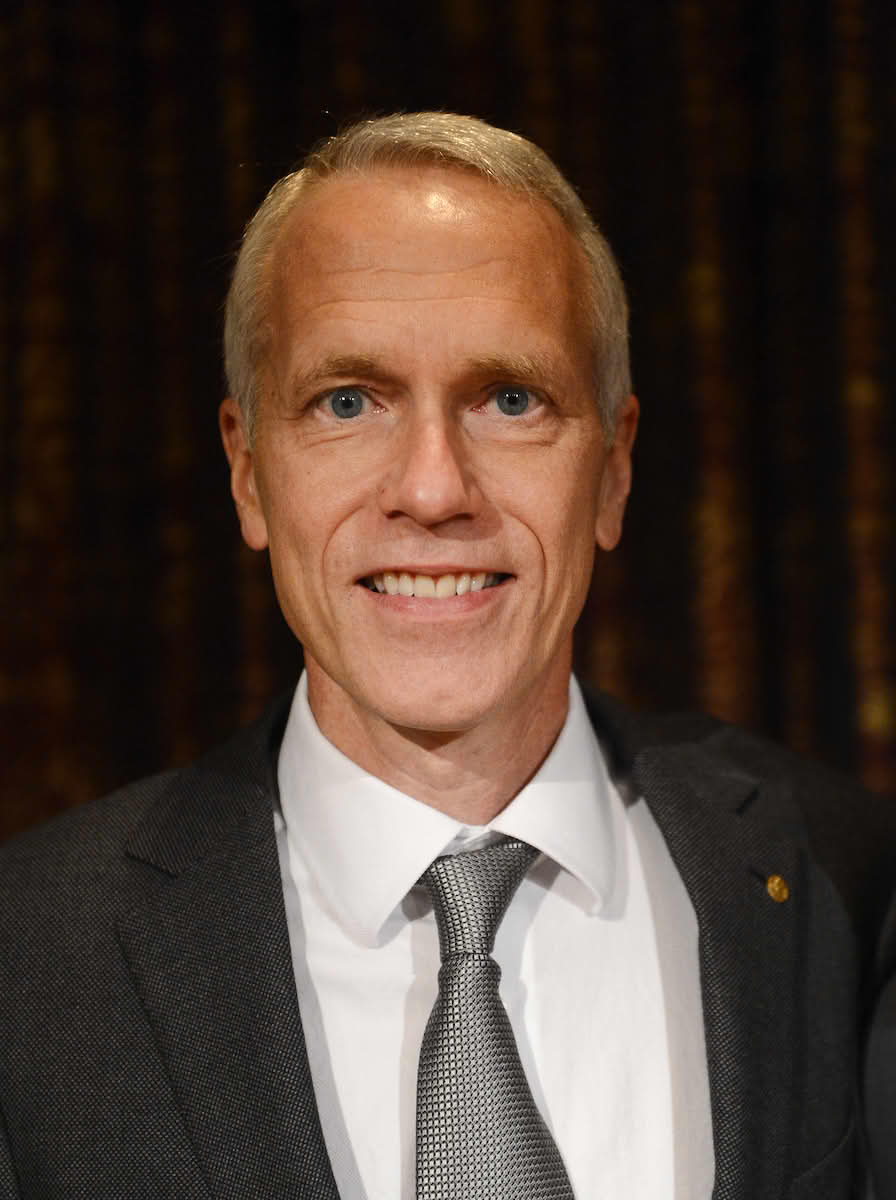
Brian K. Kobilka
Stanford University, USA
Brian K. Kobilka (born May 30, 1955, Little Falls, Minnesota, U.S.) is an American physician and molecular biologist whose research on the structure and function of cell-surface molecules known as G protein-coupled receptors (GPCRs)—the largest family of signal-receiving molecules found in organisms—contributed to profound advances in cell biology and medicine. For his discoveries, Kobilka shared the 2012 Nobel Prize for Chemistry with American physician and molecular biologist Robert J. Lefkowitz. Kobilka graduated with B.S. degrees in biology and chemistry in 1977 from the University of Minnesota Duluth and then enrolled at Yale University in New Haven, Connecticut, to study medicine. He received an M.D. from Yale in 1981. Three years later, after completing a residency in internal medicine at Barnes Hospital (later Barnes-Jewish Hospital) at Washington University Medical Center in St. Louis, Missouri, Kobilka joined Lefkowitz's laboratory at Duke University Medical Center in Durham, North Carolina. There, working as a postdoctoral fellow, he successfully pieced together the full DNA sequence for the mammalian beta2-adrenergic receptor from fragments of genomic DNA that had been amplified in genetically engineered bacteria. (Lefkowitz's team previously had struggled to sequence the receptor because of its limited natural production in cells.) Kobilka's feat demonstrated his talent for technological innovation and made possible the team’s groundbreaking realization that all GPCRs possess seven domains that cross the cell membrane, each of which served a fundamental role in receptor activity. In 1989–90 Kobilka established a laboratory at Stanford University, where he had received a professorship in medicine and molecular and cellular physiology. He continued to investigate the relationship between GPCR structure and function, using adrenergic receptors as model systems. He became known for his application of innovative biophysical techniques, most notably his use of X-ray crystallography, in which an X-ray beam is projected onto a protein crystal to create a diffraction pattern that can then be used to deduce the protein's atomic structure in three dimensions. Kobilka spent two decades working out a process to generate protein crystals of the beta2-adrenergic receptor that were sufficiently large for synchrotron analysis. The receptor's shifting conformation further complicated the crystallization process. In 2011, however, having enlisted the help of colleagues in the United States and Europe, Kobilka finally published the first high-resolution view of transmembrane signaling by the beta2 receptor. The development was considered a milestone in biology and made possible the production of crystals of other GPCRs. Of particular significance was the opportunity to investigate the structures of GPCRs of pharmacological relevance, which could facilitate the development of drugs that targeted specific receptors, thereby enhancing therapeutic benefits while minimizing side effects. Homepage: https://www.britannica.com/biography/Brian-Kobilka
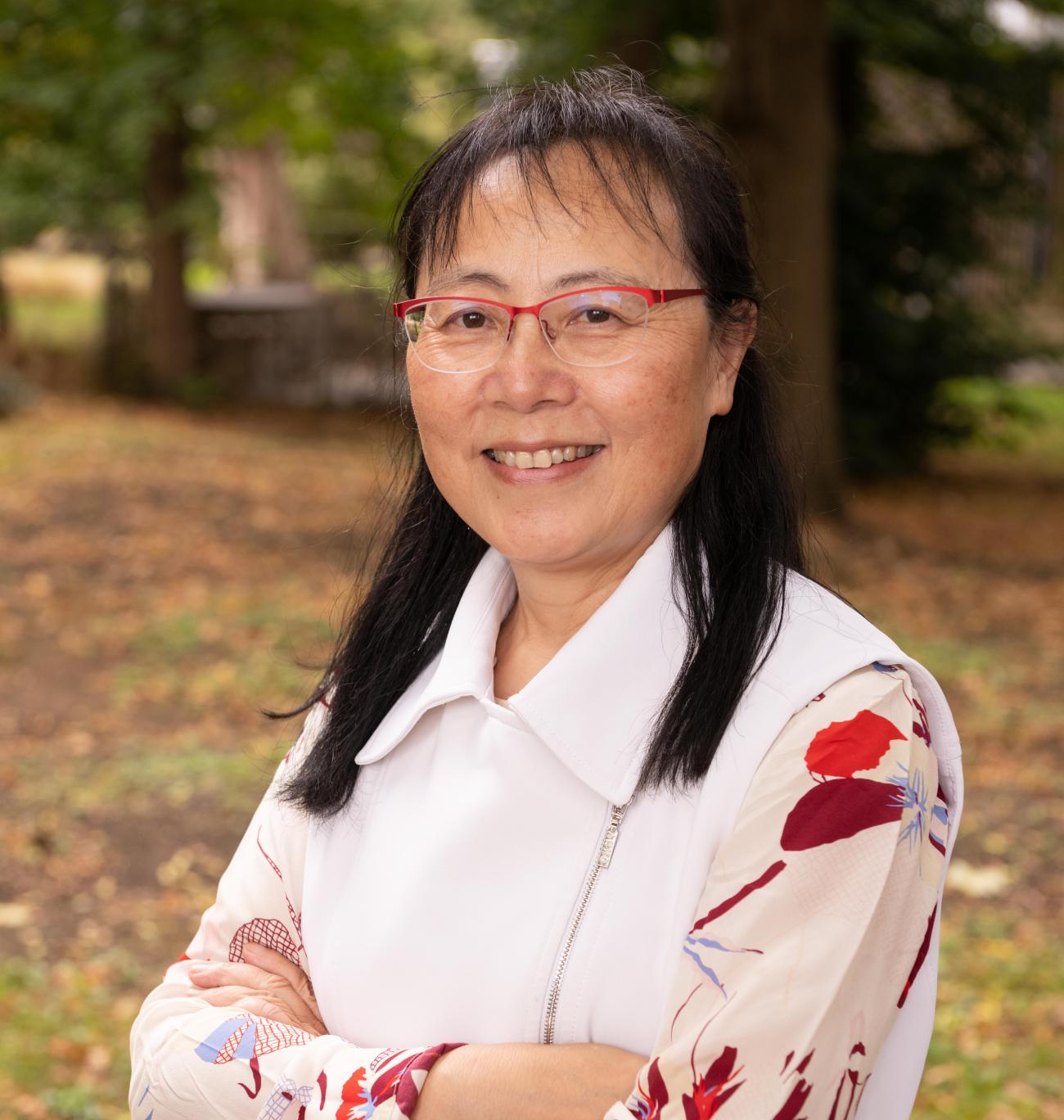
Xin Lu
University of Oxford, UK
Professor Lu is the Director of the Ludwig Institute for Cancer Research (LICR), Oxford Branch, co-Director of the Cancer Research UK Oxford Centre, NIHR Oxford Biomedical Research Centre Multi-Modal Cancer Therapies Theme Lead and Director of the Oxford Centre for Early Cancer Detection. She is a Fellow of the Royal Society, the Academy of Medical Sciences and the Royal Society of Biology, a Fellow by election of the Royal College of Pathologists, and a Member of the European Molecular Biology Organisation. Following her MSc in China, she received a research training fellowship from WHO and moved to the UK in 1986. She completed her PhD and postdoctoral training, and established her own research group at the LICR in 1993. She became the Director of the LICR's London Branch in 2004 and in 2007 she established LICR Oxford. She was elected supernumerary fellow at Magdalen College in 2013. Professor Lu's group has long-standing research interests in tumour suppression. She was one of the first researchers to show that the tumour suppressor p53 responds to both oncogene activation and DNA damaging signals. Her group was one of the first to demonstrate how to selectively activate p53 to kill cancer cells, through identification and characterization of the evolutionarily conserved ASPP family of proteins. In addition to cancer, the ASPPs have now been implicated in the pathogenesis of other disorders, including sudden cardiac death and brain abnormalities. The main goal of her research is to identify molecular mechanisms that control cellular plasticity and suppress tumour growth. Cells are able to change their characteristics and cell fate in response to external signals. This ability to change – cellular plasticity – underlies cancer initiation, metastasis and resistance to therapy. The group are particularly interested in 'guardians' of plasticity in epithelial cells, from which over 80% of human tumours originate. In particular, they are interested in understanding how selective transcription controls cell fate; identifying regulators of cellular plasticity in upper gastrointestinal cancer initiation and metastasis (particularly oesophageal cancer and gastric cancer); and understanding the influence of infection on cell plasticity and cancer (particularly Helicobacter pylori and Epstein Barr Virus (EBV) infection). Homepage: https://www.magd.ox.ac.uk/people/professor-xin-lu/
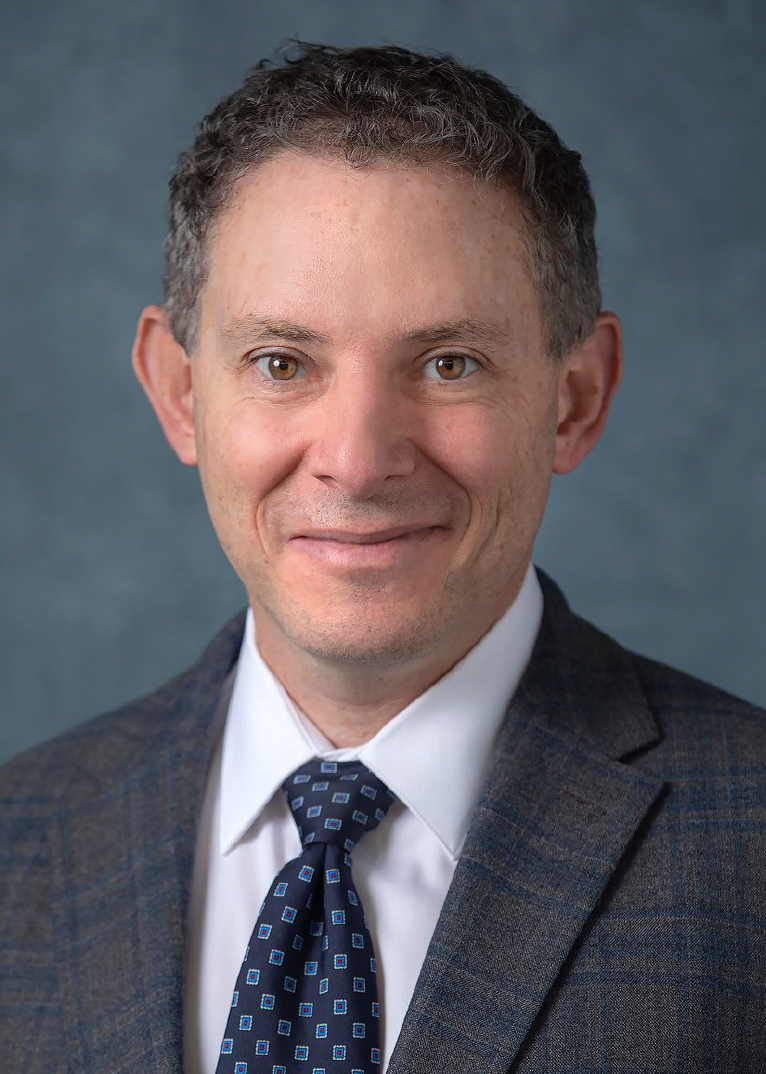
Ophir Klein
Cedars-Sinai Guerin Children's, USA
Ophir Klein serves as the inaugural Executive Director of Cedars-Sinai Guerin Children's and Executive Vice Dean for Children's Services, and he is the David and Meredith Kaplan Distinguished Chair in Children's Health. He is a global leader whose team has made seminal contributions to understanding the development of normal and diseased organs, as well as elucidating mechanisms underlying the pathogenesis of complex inherited disorders, many of which manifest during early neonatal and childhood life. He has led the establishment of Guerin Children's as a respected leader in pediatric scholarly research, training, and specialty clinical services. Dr Klein has received multiple honors, including election to the National Academy of Medicine and the American Association of Physicians. He has had multiple advisory roles to the NIH and led professional societies. Dr. Klein was educated at the University of California, Berkeley, where he earned a B.A. in Spanish Literature. He subsequently attended Yale University School of Medicine, where he received a Ph.D. in Genetics and an M.D. He then completed residencies at Yale-New Haven Hospital in Pediatrics and at UCSF in Clinical Genetics. Prior to his Cedars-Sinai appointment, Dr Klein served as Chief of Medical Genetics and Craniofacial Anomalies and Director of the Institute for Human Genetics at UCSF. Homepage: https://researchers.cedars-sinai.edu/ophir.klein
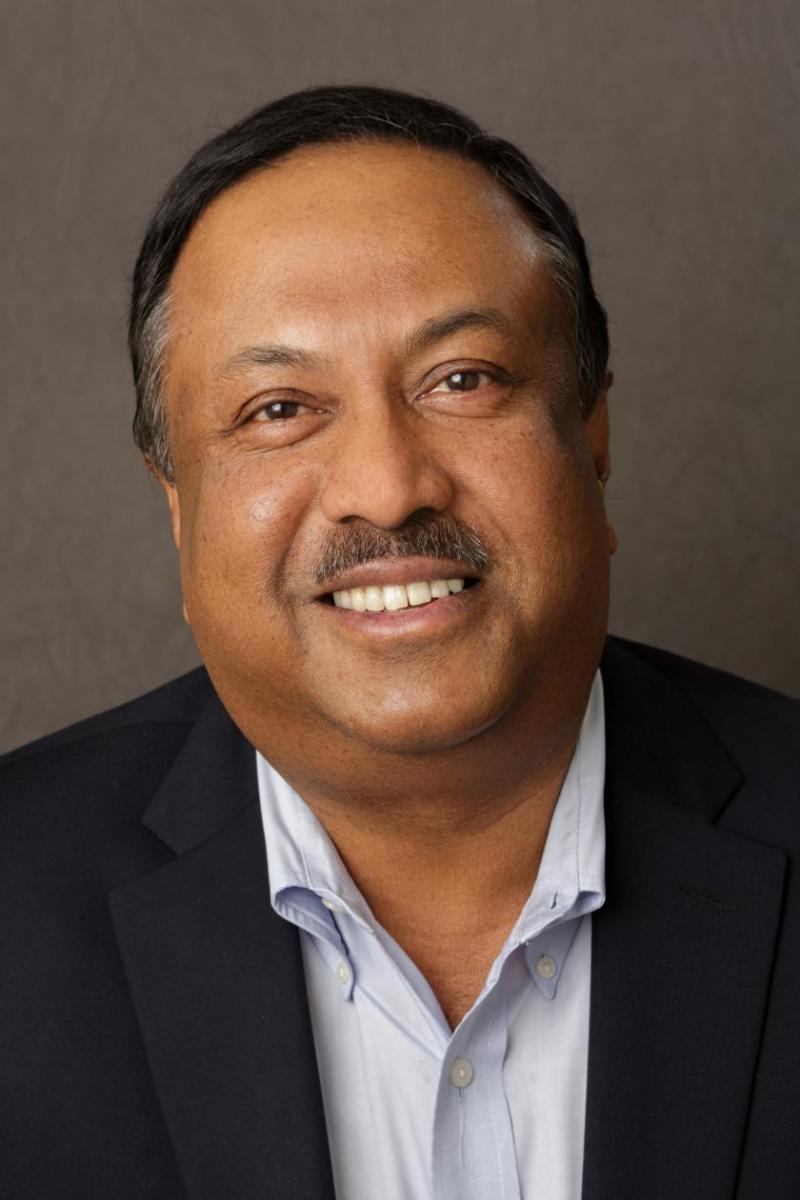
Sankar Ghosh
Columbia University, USA
Dr. Ghosh received his Ph.D. in Molecular Biology from the Albert Einstein College of Medicine in 1988. He carried out his postdoctoral research as an Irvington Institute postdoctoral fellow with Dr. David Baltimore at the Whitehead Institute of MIT in Cambridge, MA. It was there that Dr. Ghosh began his seminal work in understanding the regulation of Nuclear Factor-kappa B (NF-kappa B / NF-kB), a transcription factor that plays a critical role in regulating the expression of a large number of genes involved in the mammalian immune system. Dr. Ghosh's research led to the first cloning of NF-kB and IkB proteins, and their characterization, including the demonstration of the role of IkB phosphorylation in the activation of NF-kB. Dr. Ghosh began his independent research career at Yale University School of Medicine in 1991, where he was a Professor in the Departments of Immunobiology and Molecular Biophysics & Biochemistry, and an Investigator of the Howard Hughes Medical Institute. At Yale his laboratory made numerous original findings that helped establish the mechanism of transcriptional regulation of NF-kB proteins, identification and characterization of signaling intermediates in innate and adaptive immune system, and identification and characterization of a subset of Toll-like receptors. In 2008 he was recruited to Columbia University to be the chairman of the Department of Microbiology and Immunology. A biochemist, immunologist and microbiologist, Dr. Ghosh continues to be best known for his work on NF-kB. Because NF-kB plays an important role in regulating the expression of a number of genes involved in inflammation and the immune responses, his research has implications for the treatment of arthritis, colitis, dermatitis, asthma, and other inflammatory diseases, as well as diseases such as cancer and muscular dystrophy. However his research interests have expanded over the years and encompasses the study of long non-coding RNAs and microRNAs in the inflammatory process. His recent work has also illuminated novel mechanisms and pathways by which the NF-kB pathway influences immune responses to cancer. Homepage: https://www.sankarghoshlab.org/people2
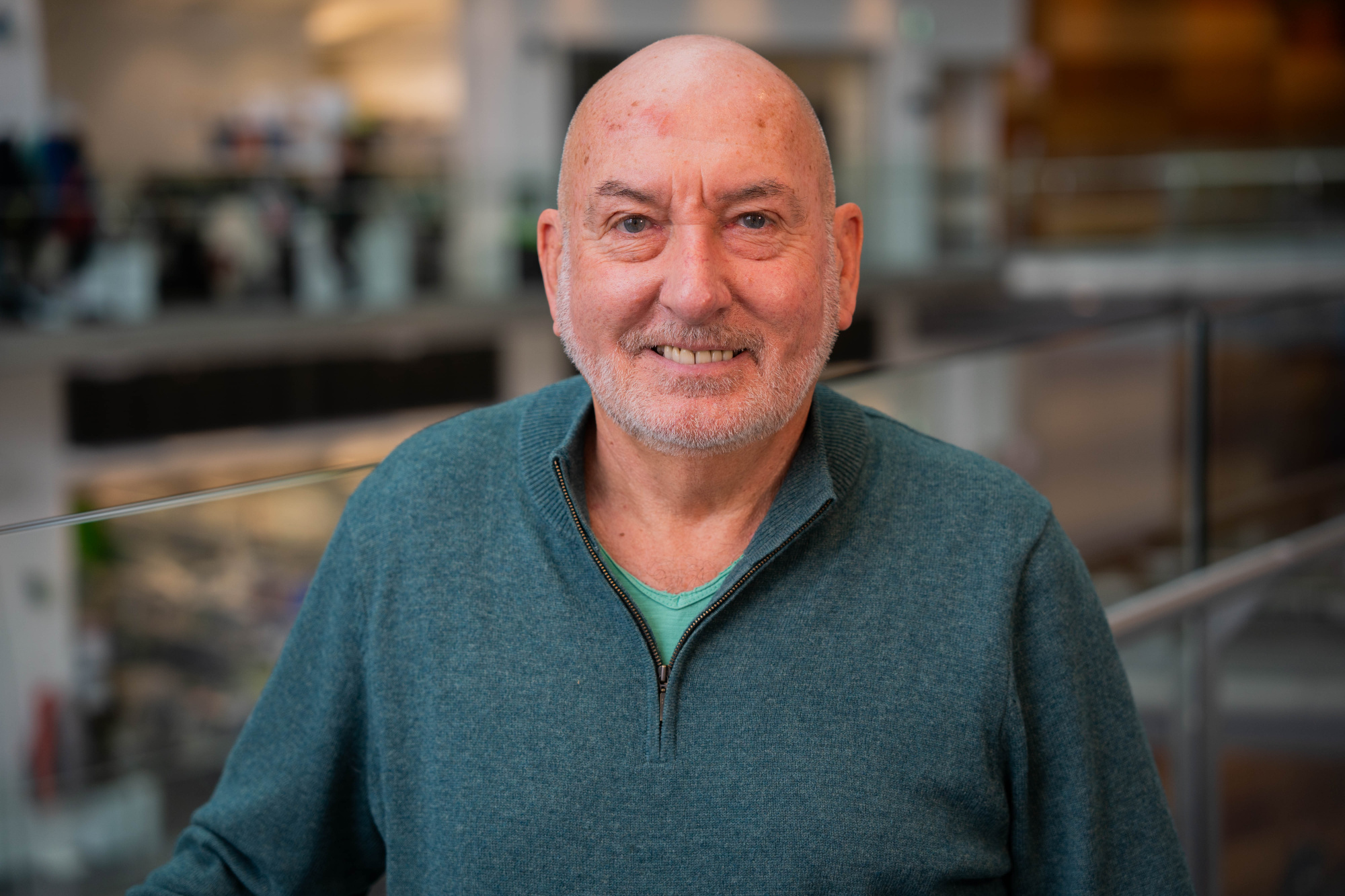
Stephen West
The Francis Crick Institute, UK
Steve West leads the DNA Recombination and Repair Laboratory at the Francis Crick Institute. He gained his BSc and PhD at Newcastle University, and was a post-doctoral associate at Yale University. His research interests lie in the mechanisms of genetic recombination and DNA repair, with an emphasis on how they relate to human disease. Following his studies with the RecA and RAD51 recombinases, he identified enzymes from bacteria, yeast and humans that resolve DNA recombination intermediates known as Holliday junctions. These nucleases play a critical role in ensuring the breakage of covalent sister chromatid linkages prior to chromosome segregation at mitosis. Steve is a Fellow of the Royal Society, the Academy of Medical Sciences, Foreign Associate of the National Academy of Sciences USA, and International Honorary Member of the American Academy of Arts and Sciences. Steve West was trained as a biochemist and discovered the cellular enzymes that resolve recombination intermediates (Holliday junctions) to allow chromosome segregation at mitosis. In bacteria, resolution is mediated by the RuvC protein, together with the associated RuvAB proteins that promote the branch migration of Holliday junctions. In human cells, resolution requires GEN1 and the SMX trinuclease complex. He was the first to purify human RAD51 and to show that the BRCA2 tumour suppressor targets RAD51 to single stranded DNA. Although his primary work is in the area of recombinational repair, he also discovered that Aprataxin, which is defective in a progressive neurological disorder known as Oculomotor Apraxia, is a deadenylase that removes AMP from 5'-termini following abortive DNA ligation. In recent work, his laboratory demonstrated that inhibition of the nucleotide scavenger DNPH1 sensitises BRCA-deficient tumour cells to PARP inhibitors, potentially offering new routes to therapy. Homepage: https://www.nasonline.org/directory-entry/stephen-c-west-8znjna/

Joshua Sanes
Harvard University, USA
Sanes received a BA from Yale and a PhD from Harvard. Following postdoctoral study at UCSF, he served on the faculty of Washington University for over 20 years, before returning to Harvard in 2004 as Professor of Molecular and Cellular Biology and founding Director of the Center for Brain Science. His work, published in over 400 papers, has been honored with the Schuetze, Gruber, Perl/UNC and Scolnick Prizes. Sanes and his colleagues study the formation of synapses, the connections that transmit information between nerve cells. For many years, they used the neuromuscular junction to elucidate the intercellular communication systems that lead to formation and maturation of this synapse. They also pioneered new ways to mark and manipulate neurons and the synapses they form. Over the past 15 years, they have focused on how specific connections form in the visual system to generate the complex circuits that underlie the processing of information. Most recently, they have leveraged their developmental and molecular findings to seek new ways to promote recovery following injury in the central nervous system. Their studies have led to discovery of key genes responsible for neural development and generated insights into neurological disorders. The Sanes lab uses the vertebrate retina to address key issues relating to the development of complex neural circuits, the classification and characterization of neuronal cell types, and the factors that limit neuronal survival and regeneration following injury. Developmental studies have exploited mouse genetics to identify genes that regulate the patterns of synaptic connectivity that underlie the ability of the retina to process visual information. In studying cell types, they helped develop methods for high throughput single cell RNA sequencing, then used them to generate retinal cell atlases for multiple species, including mice, non-human primates and humans. These atlases provide foundational knowledge for mechanistic analysis, pinpoint key differences between retinas of humans and those of model organisms, and enable evolutionary analysis on the conservation of cell types across species. In translational studies, they identified cell types that vary in resilience to injury or disease, as well as gene expression programs that correlate with neuronal demise, survival and regeneration. They then manipulate genes identified through these screens to find targets that can be manipulated to enhance survival and promote regeneration. Homepage: https://www.nasonline.org/directory-entry/joshua-r-sanes-pv7fzn/
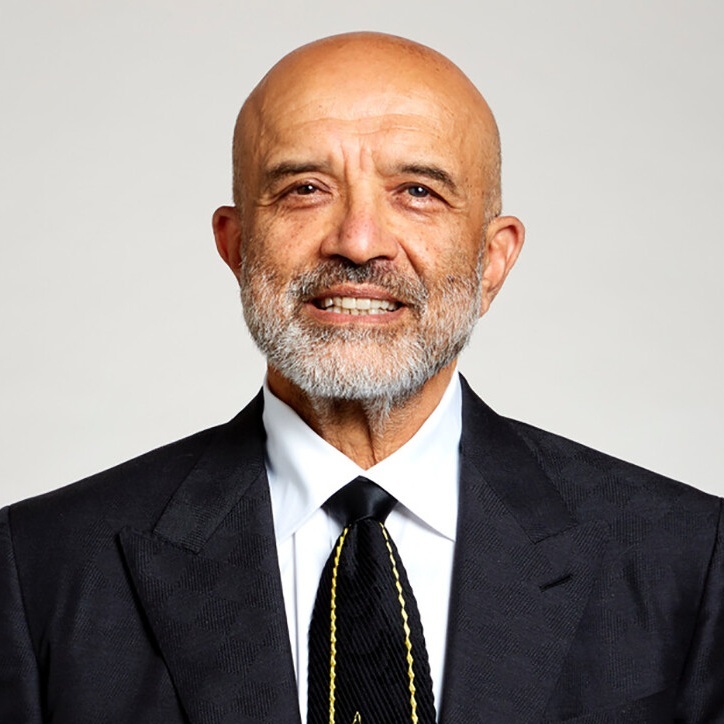
Vishva Dixit
Genentech, USA
Dr. Visha Dixit is the Vice President of Physiological Chemistry at Genentech, Inc. Dixit is a trained physician who chose basic research in molecular biology over clinical practice, held a tenured position in academia, and then became an entrepreneur, senior manager, and leading researcher in his field. He is internationally recognized for studies defining the biochemical framework of key components of the cell death pathway, or apoptosis. Apoptosis was a mysterious process in the early nineties. A debate raged as to how the TNF receptor TNFR1 and its close homologue Fas engaged the *** pathway. The first breakthrough was the demonstration from the Dixit laboratory that a cysteine protease (now termed caspase) was a component of the death receptor-induced apoptotic pathway. These observations set the stage for the identification of YAMA, or caspase-3, as the key downstream executioner protease, although this then begged the question of how it was engaged by death receptors. Other surface receptors functioned as ion channels or by altering intracellular phosphorylation events but death receptors signaled apoptosis by an entirely new mechanism. Specifically, an adapter protein termed FADD recruited and activated an initiating death protease termed FLICE/caspase-8. In other words, the second messenger emanating from the death receptor was a protease! These papers published on this research, designated citation classics, resulted in Dixit being the second most highly cited scientist in 1996. Dixit has gone on to make several other highly important discoveries uncovering the mechanics of the apoptosis pathway, as well as to use this understanding of apoptosis to make many breakthroughs by directly applying it to cancer therapeutics. He has received the Warner-Lambert/Parke Davis Award, the Clifford Prize, the NIH Director’s lecture, and the Columbia University HICC Distinguished Lecture. In addition to his American Academy of Arts and Sciences membership, Dixit is also a member of the National Academy of Sciences, the Institute of Medicine of the National Academies, the American Society for Clinical Investigation, the European Molecular Biology Association, and the Indian National Center for Biological Sciences. Dixit's papers are exceptionally highly cited, and appear in prominent journals including Cell, Nature, and Science. Homepage: https://www.amacad.org/person/vishva-dixit


 010-86738999
 cimr@cimrbj.ac.cn

