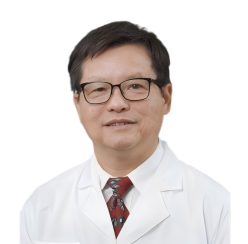
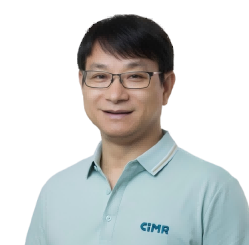
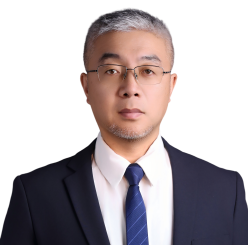
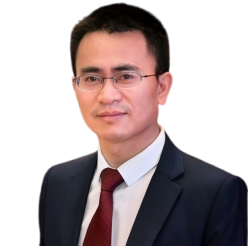
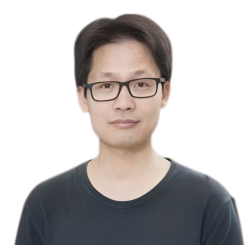
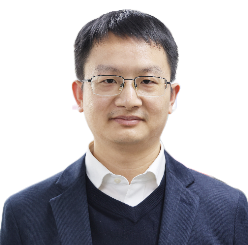
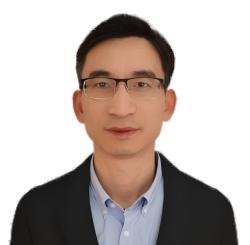
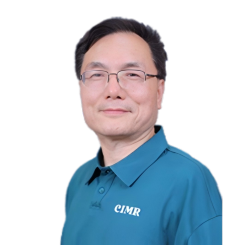
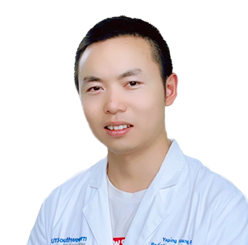
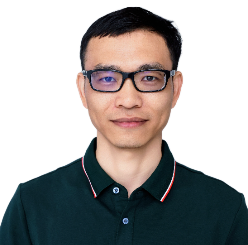
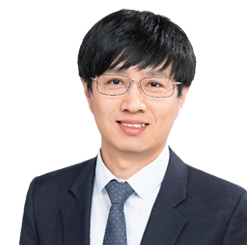
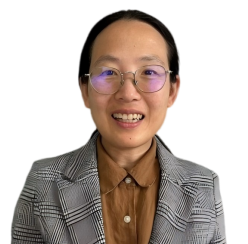
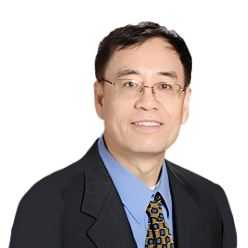
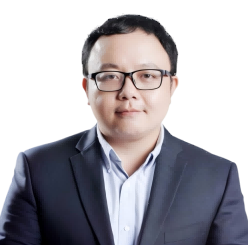
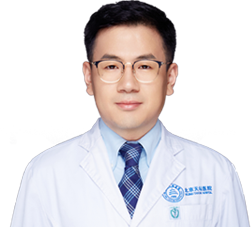
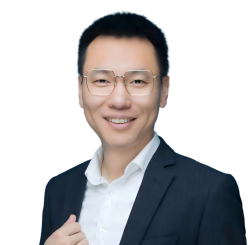
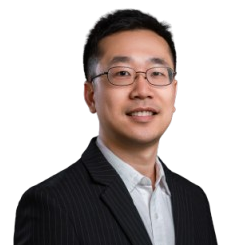
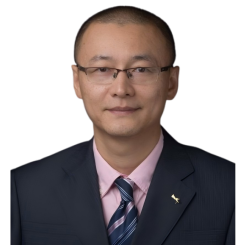
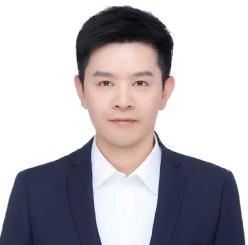
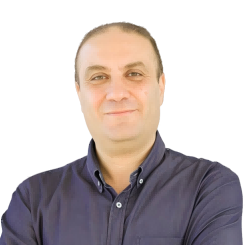
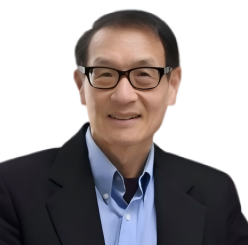
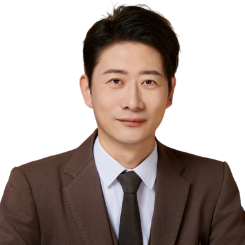
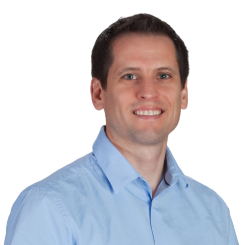
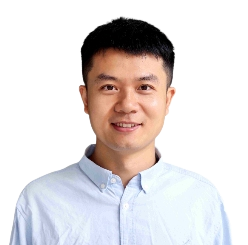
Chinese Institute for Cancer Research, CIMR was established in 2023, with Professor Guo-Min Li serving as its founding director. The institute currently has seven independent Principal Investigators (PIs) and has built a tiered research team led by internationally renowned scientists, backed by mid-career and young scholars as core members, and supported by outstanding early-career talents.
Drawing on CIMR's robust basic research strengths and actively integrating the rich clinical resources of Capital Medical University and its affiliated hospitals, the Cancer Institute adheres to the core philosophy of "from clinical questions to clinical practice" and commits to establishing a comprehensive "medical-education-research-industry" innovation ecosystem. This ecosystem deeply bridges fundamental research with clinical translation, ensuring that scientific discoveries are effectively channeled into tangible patient benefits.
Key Research Focuses
Early screening of tumor biomarkers
Development of combination therapy strategies
Tumor immune mechanisms and innovative immunotherapy
Mechanistic analysis and intervention of drug resistance
Focusing on major scientific questions in oncology, the institute pursues original and forward-looking research to systematically elucidate the mechanisms of tumor initiation and progression. Supported by world-class research facilities and innovative management mechanisms, it drives three core missions: theoretical innovation in cancer diagnosis and treatment, breakthroughs in clinical translation, and cultivation of interdisciplinary talent.
The institute aspires to become a globally influential cancer research center, and remains steadfast in its mission to "decode cancer and create hope for life," striving to make pivotal contributions to the establishment of transformative systems for cancer prevention and treatment.
Established in 2023, the Chinese Institute for Molecular and Cellular Therapeutics (CIMCT) is led by Founding Director Professor Chuan-Yuan Li. The Institute currently features five independent research groups (Principal Investigators), assembling a multi-tiered, highly innovative talent team that encompasses Distinguished Investigators, Senior Investigators, Principal Investigators, and Junior Investigators.
Capitalizing on the extensive clinical resources provided by the Chinese Institutes for Medical Research (CIMR), Capital Medical University, and its affiliated hospitals, CIMCT is deeply integrated into the strategic development of Beijing's biomedical and high-tech innovation sectors. Taking translational research in molecular and cellular technologies as our primary entry point, we deeply incorporate artificial intelligence (AI) and computational engineering methodologies to break through key technological bottlenecks and develop next-generation therapies across disease spectrums. Our primary research endeavors target major health challenges, including cancer, cardiovascular diseases, metabolic disorders (e.g., diabetes), neurodegenerative diseases, rare diseases, and advanced vaccine development.
In line with CIMR's aspiration to become a world-class academic institution, CIMCT strives to establish a globally influential hub for translational innovation and elite talent recruitment and cultivation in molecular and cellular therapeutics.
Key Research Focuses
Engineered cell therapies, modulation of the tumor immune microenvironment, and novel therapeutic target discovery.
Design of novel vaccine platforms, development of mRNA and peptide therapeutics, and advanced nucleic acid precision delivery systems.
AI-driven protein and molecular design, development of synthetic biology tools, and ultra-high-throughput virtual screening.
Biological roles and stress response mechanisms of Heat Shock Proteins (HSPs) in diseases; protein quality control and homeostasis regulation (e.g., TDP-43) alongside their translation as therapeutic targets and interventions.
Established in 2024, Chinese Institute for Immunology (CII) at the Chinese Institutes for Medical Research (CIMR) is led by its Founding Director, Distinguished Investigator Shao-Cong Sun. The Institute currently hosts eight independent Principal Investigators (PIs) and has assembled a world-class, multi-tiered research team. This dynamic team is spearheaded by internationally renowned immunologists and propelled by outstanding young talents and mid-career scholars.
Leveraging the interdisciplinary platforms of CIMR and its partner institutions, the Institute is dedicated to cutting-edge basic and translational research in immunology. Guided by our mission to "decipher immune mechanisms to advance therapeutic strategies," we are building a comprehensive research ecosystem that bridges fundamental innovation and clinical translation. Addressing critical scientific questions regarding immune system regulation and disease intervention, our research focuses on the following areas:
Mechanisms of immune tolerance and regulation, discovery of novel immune modulatory molecules and drug screening, pathogenic mechanisms and therapeutic strategies for autoimmune and inflammatory diseases, tumor immunology and immunotherapy, infection and immunity, neuroimmunology.
Through multidisciplinary collaboration and robust international academic exchanges, the Institute aims to drive breakthrough advancements in immunological theory, deliver transformative therapeutic tools for clinical application, and cultivate innovative talents with global competitiveness.
Established in 2024, Chinese Institute for Medical Physiology (CIMP) is led by Founding Director Professor Zhiqiang Yan. The Institute currently features nine independent research groups (Principal Investigators), assembling a multi-tiered, highly innovative talent team that encompasses Distinguished Investigators, Investigators, Assistant Investigators, and Junior Investigators.
Modern physiology originated from William Harvey’s research on blood circulation in the 17th century, forming the basis of modern medicine. The Chinese Institute for Medical Physiology studies the physiological activity patterns of organisms and their underlying mechanisms, from the molecular to the system level. The Chinese Institute for Medical Physiology uses the concepts and techniques from molecular biology, chemical biology, and related fields to drive physiological research forward and thereby advance medical development, which includes studying the molecular mechanisms and regulation of important physiological processes such as sleep, perception, metabolism, immunity, and respiration, as well as the relationship between these processes and diseases.
Molecular biology explores the nature of life based on its ever-expanding understanding of the genetic central dogma of biology and promotes technologies that can be widely applied in life sciences. Date back from the 1950s and 1970s respectively, the development of molecular biology and genetic engineering technology have largely propelled biomedical research and applications. The Chinese Institute for Medical Physiology develops and applies the cutting-edge technologies in molecular and chemical biology, including molecular evolution, gene editing, molecular labeling, gene therapy, and next-generation metabolic screening, to advance medical physiology research.
1. Studyingimportant physiological processes
Molecular, cellular, and systemic mechanisms such as metabolism, immunity, respiration, and behavior
Technologies such as gene editing, molecular dynamic labeling, gene therapy, chemical biology, etc
The Institute for Regenerative Biology and Medicine (IRBM) is a newly established institute under the Chinese Institutes for Medical Research, Beijing (CIMR). Led by Distinguished Investigator Professor Yuval Rinkevich as the founding director, the institute brings together leading experts in stem cell biology, tissue engineering, tissue ageing, and molecular medicine.
Leveraging the clinical resources of CIMR, Capital Medical University, and its affiliated hospitals, and adhering to the core philosophy of "from clinical questions to clinical practice," the institute has established a "Medical-Educational-Research-Industrial" integrated innovation system that deeply integrates basic research with clinical translation. The Institute for Regenerative Biology and Medicine focuses on major scientific questions in tissue and organ repair, age related disease, and regeneration, with key research directions including:
Mechanisms of tissue repair, ageing, and regeneration
Human fibrotic and inflammatory diseases
Development of novel therapies for scarring, post-surgical adhesions, and fibrotic diseases
Preventive strategies, interventional technologies, and translational applications
The Institute for Regenerative Biology and Medicine is committed to systematically uncovering novel mechanisms of tissue and organ repair, age related diseases, and regeneration through original, forward-looking research, and establishing transformative prevention and treatment systems. With world-class research facilities and technological platforms, and through innovative management mechanisms, the institute is dedicated to advancing the following core missions: theoretical innovation in regenerative medicine, breakthroughs in clinical translation, and cultivation of interdisciplinary talents. It aspires to build a globally influential research center for regenerative medicine, striving to bridge basic research with commercial and societal applications, and ultimately improve patient health and well-being.
The Chinese Institute for Infectious Diseases at CIMR is committed to advancing knowledge and treatment of infections. CIID strives to translate research discoveries into drug development strategies and clinical applications, paving the way for groundbreaking advancements in our understanding of pathological processes and treatments of infections. By bringing together leading experts in cell biology, genetics, molecular and structural biology, CIID is dedicated to conducting cutting-edge research and transforming scientific breakthroughs into real-world clinical solutions. Our mission is to shape the future of microbial pathogenesis through world-class research and education, ultimately improving patient outcomes and expanding therapeutic possibilities. The founding director of CIID is Professor Gabriel Waksman, an internationally renowned scientist, member of EMBO, Fellow of the Royal Society, and Member of the German Academy of Sciences.
Established in 2026, the Chinese Institute for Biomedical AI Science (CIBAS) is built around a tiered research team led by internationally recognized scientists, supported by mid-career academic pillars, and driven by talented young researchers.
Leveraging the clinical resources of Chinese Institutes for Medical Research (CIMR), Capital Medical University, and its affiliated hospital network, CIBAS adheres to the core mission of "originating from clinical needs and serving patient care." By seamlessly integrating computational biology, physics-informed and data-driven modeling, and clinical translation into a unified framework across research, care, education, and industry, the Institute addresses major scientific challenges in AI-empowered biomedicine across four primary research areas:
CIBAS is committed to pioneering cross-disciplinary research to systematically bridge the entire continuum from computational discovery and molecular design to safety evaluation and clinical application. Powered by advanced computing infrastructure and high-throughput experimental platforms, the Institute leverages innovative management models to advance three core priorities: pioneering foundational biomedical algorithms, developing precision therapeutics, and training interdisciplinary talent. CIBAS strives to build a globally impactful research center, using advanced computation to solve complex biological questions and driving technological innovation to improve clinical outcomes.


10 Xitoutiao, Youanmen Wai, Fengtai District, Beijing 100069, China
 010-86738999
 cimr@cimrbj.ac.cn


 中文
中文